Exploring unique American fusion cuisine.
The culinary landscape of the United States is a dynamic tapestry, continually reweaving traditional tastes with influences from around the globe. This inventive approach has given rise to American fusion cuisine, a style of cooking that intentionally combines elements from different culinary traditions to create innovative and often surprising dishes. Far from being a recent phenomenon, this blending of flavors has been an intrinsic part of the US food identity for centuries, shaped by waves of immigration, changing agricultural practices, and the boundless creativity of chefs and home cooks alike. It reflects the nation’s diverse population and its ongoing conversation with cultures worldwide, resulting in a rich and ever-evolving food scene.
Overview
- American fusion cuisine refers to the intentional blending of culinary traditions from two or more cultures within a single dish or menu, often with a distinctly American twist.
- Its roots can be traced back to early immigrant communities in the US, who adapted their native cuisines using available local ingredients and techniques.
- The late 20th century saw a formalization of fusion as chefs began to deliberately combine disparate cooking styles, such as Asian and French or Latin American and Southern US.
- Key examples include Tex-Mex, California cuisine, and various Asian-American culinary interpretations like Korean tacos or sushi burritos.
- This culinary movement has significantly impacted the US food identity, making restaurant menus and home cooking more diverse and experimental.
- American fusion cuisine often challenges traditional culinary boundaries, leading to new flavor profiles, textures, and dining experiences.
- It highlights the US’s role as a melting pot, where food acts as a delicious expression of cultural exchange and adaptation.
Exploring the Origins of American Fusion Cuisine
The concept of combining disparate culinary elements isn’t new to the United States. From the earliest colonial days, indigenous ingredients merged with European cooking methods, laying foundational layers for future innovation. However, the more recognizable forms of American fusion cuisine began to take shape with the massive influx of immigrants. Each group brought their culinary heritage, adapting it to local ingredients and sharing it with their new neighbors. For instance, German immigrants in the Midwest adapted sausages, while Italian communities in the Northeast created new pasta dishes using American produce. The post-World War II era, and especially the latter half of the 20th century, saw a more deliberate and celebrated form of fusion. Chefs, often trained in classical European traditions, started looking to Asian, Latin American, and other global cuisines for inspiration, leading to a culinary renaissance. This period marked a shift from accidental assimilation to intentional experimentation, driven by a globalized world and an adventurous palate.
Exploring Regional Varieties of American Fusion Cuisine
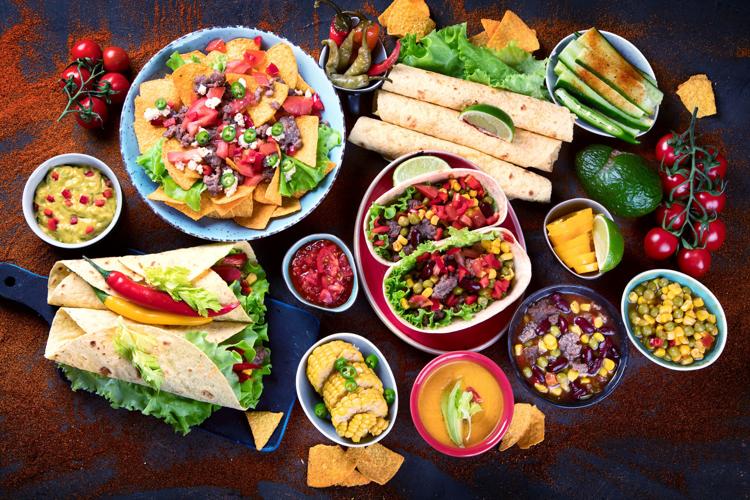
Different regions within the US have developed their own unique takes on American fusion cuisine, reflecting local histories, dominant immigrant populations, and available ingredients. California cuisine, for example, is renowned for its light, fresh approach, often blending Mediterranean, Asian, and Latin American flavors with a strong emphasis on locally sourced, seasonal produce. Think of dishes like avocado and mango salsa or Asian-inspired salads with local greens. The Southwest, particularly states like Texas and Arizona, is famous for Tex-Mex, a robust fusion of Mexican and American cowboy cooking, featuring dishes like fajitas, chili con carne, and nachos that are distinct from traditional Mexican fare. Further north, cities with significant Asian populations, such as New York, San Francisco, and Los Angeles, have pioneered numerous Asian-American fusion styles. Korean barbecue tacos, ramen burgers, and Vietnamese banh mi sandwiches filled with non-traditional ingredients showcase the dynamic interplay of flavors and textures that define these regional expressions of American fusion cuisine. The US also sees Southern cuisine blending with Caribbean or West African influences, creating new takes on comfort food staples.
Exploring Key Ingredients and Techniques in American Fusion Cuisine
At the heart of American fusion cuisine lies a willingness to experiment with a vast array of ingredients and cooking techniques, often borrowed from different global kitchens. Common ingredients might include traditional Asian spices like star anise or Szechuan peppercorns, Latin American chiles and cilantro, or European herbs and cheeses, all combined in unexpected ways. Techniques are similarly varied; a dish might feature French sous-vide cooking applied to an Asian-marinated cut of meat, or traditional American grilling methods used for a Caribbean-spiced seafood item. The concept often involves taking a familiar dish from one culture and introducing an ingredient or preparation method from another. For instance, a pizza might be topped with Thai curry chicken, or traditional Italian pasta might be tossed with Korean gochujang sauce. This creative approach extends to presentation as well, with chefs often blending plating styles to match the inventive nature of the food itself. The freedom to mix and match without strict adherence to a single culinary dogma is a hallmark of this adventurous eating style.
Exploring the Cultural Impact of American Fusion Cuisine
The impact of American fusion cuisine extends far beyond the plate; it profoundly influences the US’s cultural identity and perception of food. It symbolizes the nation’s diversity, showcasing how different cultures can coexist and create something new and exciting together. This culinary movement has made global flavors more accessible to a wider audience, encouraging palates to be more adventurous and open-minded. It challenges traditional notions of authenticity, suggesting that food traditions are not static but continually evolving through exchange and adaptation. Food critics often debate the merits of fusion, but its popularity among diners demonstrates a strong appetite for novelty and cultural blending. Furthermore, American fusion cuisine provides economic opportunities for chefs and restaurateurs to innovate and differentiate themselves in a competitive market. It fosters a vibrant food scene where innovation is celebrated, and traditional boundaries are continually pushed, reflecting the ongoing narrative of a nation built on diverse contributions.